What is physics?
The goal of physics in general is to understand everything that we can observe. This is an ambitious goal! The observable universe is a very big place, and a lot of stuff happens in it.
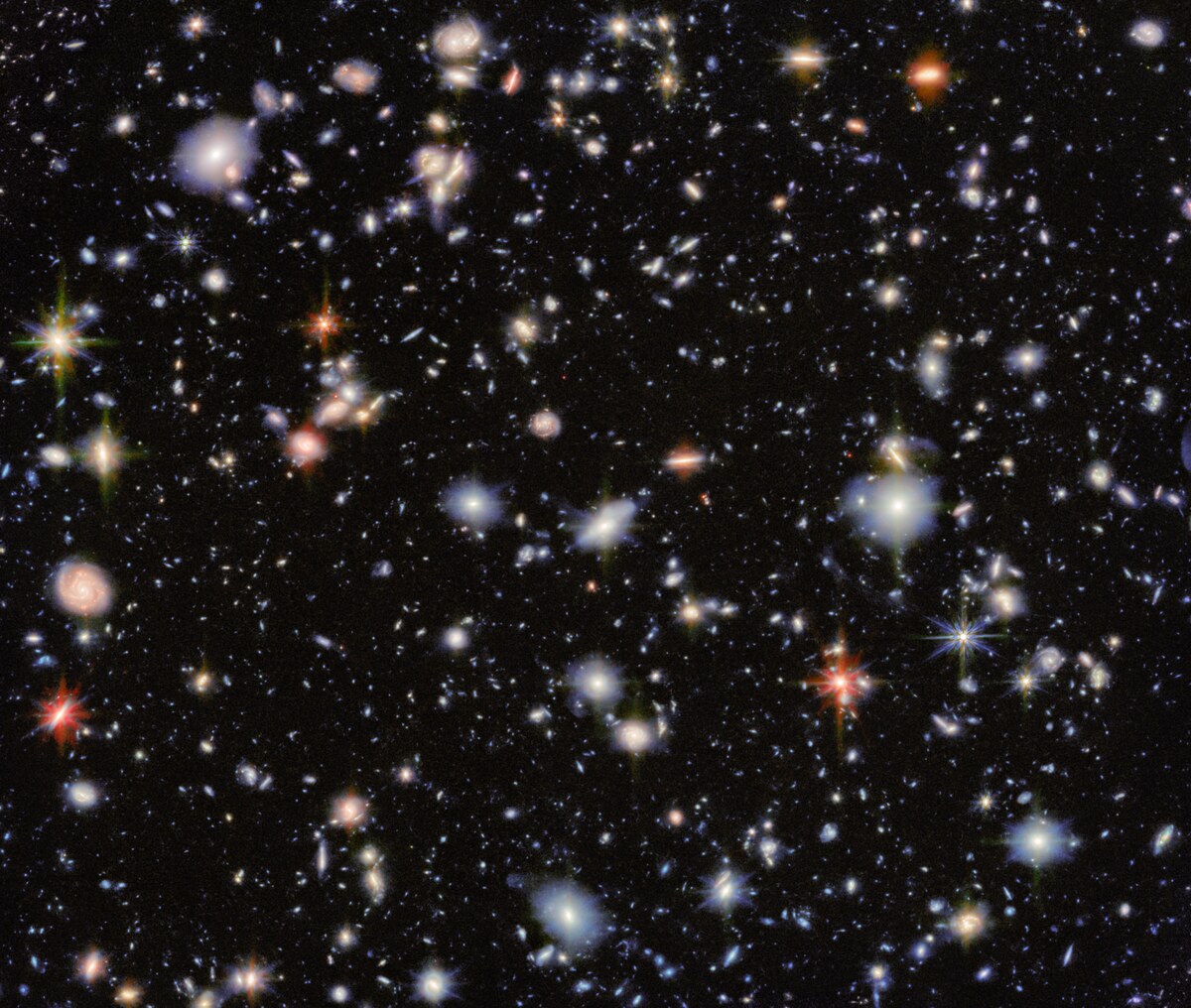
Even if we just focus on what goes on here on Earth, there is a lot to explain!

What I mean by understanding the world is that we are able to predict what will happen in a given situation. We can test our predictions by conducting experiments.
- Our ultimate goal is to come up with a small number of “laws” that we can use to predict as much as possible.
- Although we use the word law, the laws are just a summary of our experimental predictions. If observations are in contradiction with the laws, the laws have to change.
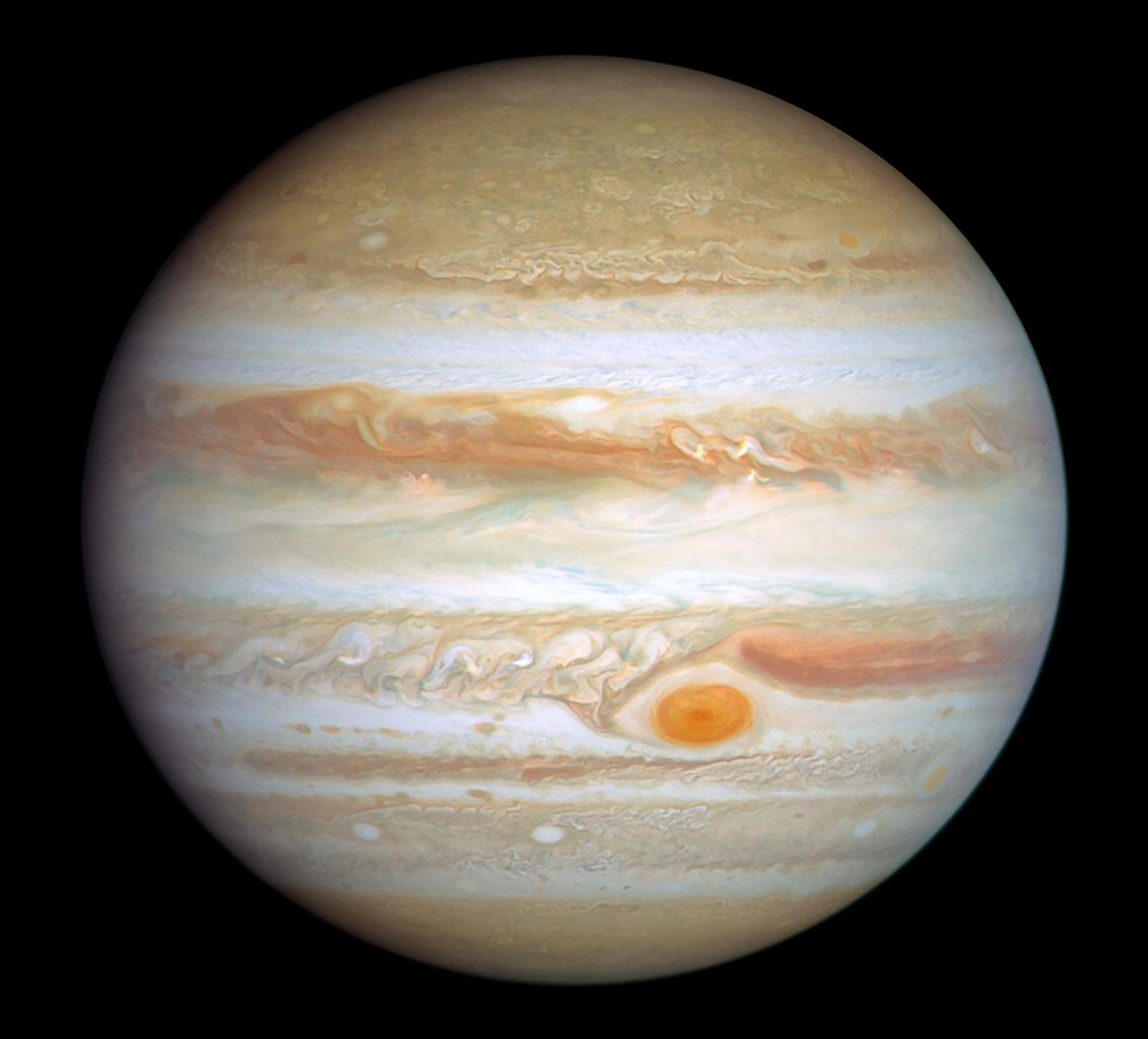
One example: Newton showed that the same laws that predict the motion of planets around the Sun also apply to the motion of objects here on Earth.

Models in physics
It’s impossible to study the real world in all its detail. Instead, what we study in physics are models of the real world.
- A model is a simplified description of a system that includes the minimal amount of detail we need to understand a specific phenomenon or behavior.
- The goal of modeling a system is to make useful predictions, not to understand every detail accurately. Every model is an approximation, and all models get some things wrong.
The way that physicists use models might seem very different from the way you’re used to thinking about things. For example, consider a tendon:
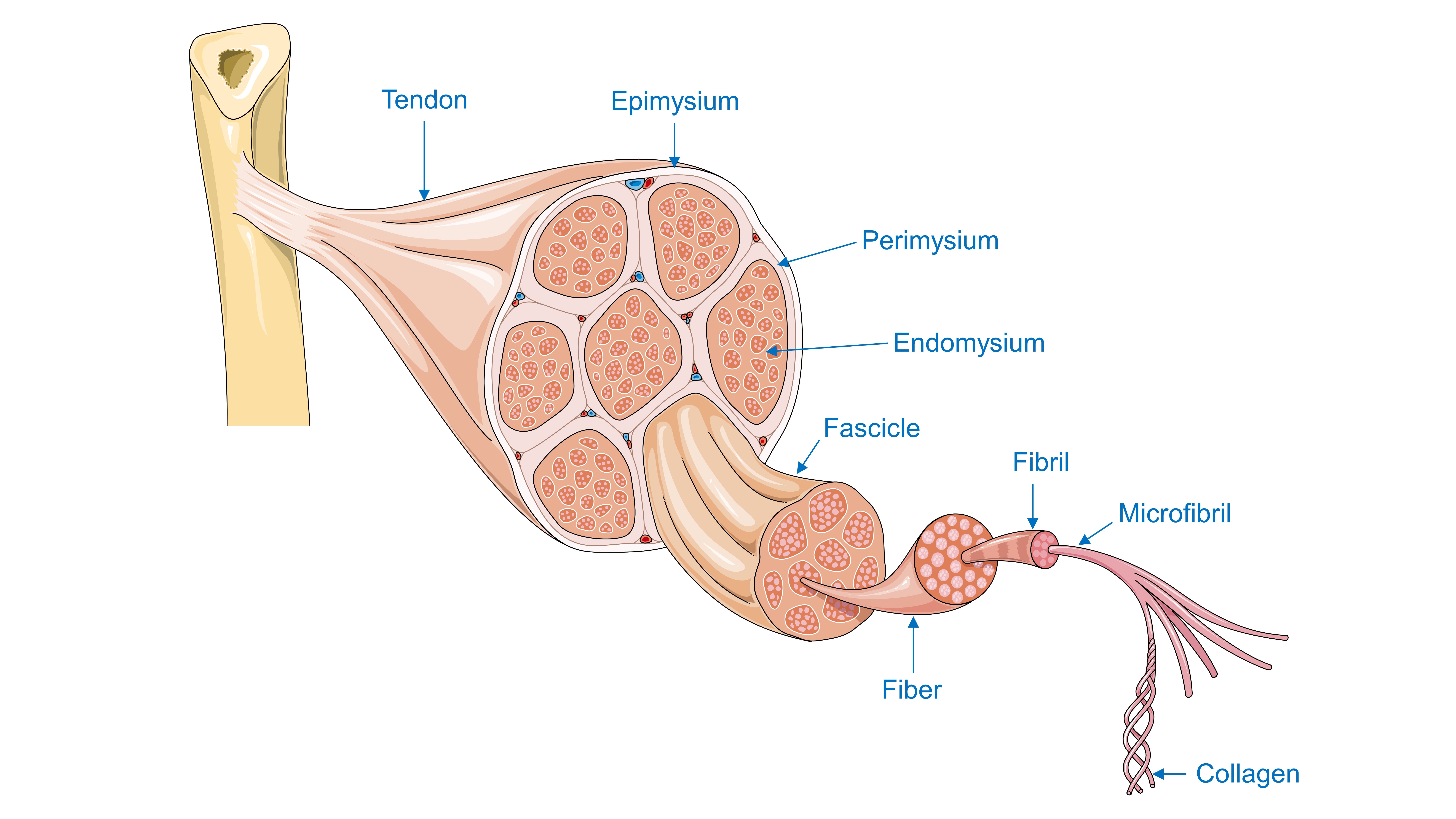
A tendon is a complex, hierarchical structure made up of bundled collagen fibers and tendon cells. But if you ask a physicist “How does a tendon stretch when a force is applied to it?” they’ll ignore all of the complicated details and model the tendon as an ideal spring, meaning the amount the tendon stretches is proportional to the force applied to it:
\[F = k s\]This simple model (called Hooke’s law) tells us almost nothing about what a real life tendon actually is, but it’s often all we need to understand how tendons stretch!